Therapy
With support, children can heal.
Child abuse can cause children and families to lose trust in themselves and in the world around them. Support from a mental health professional can help children and families heal from trauma and move beyond the abuse.
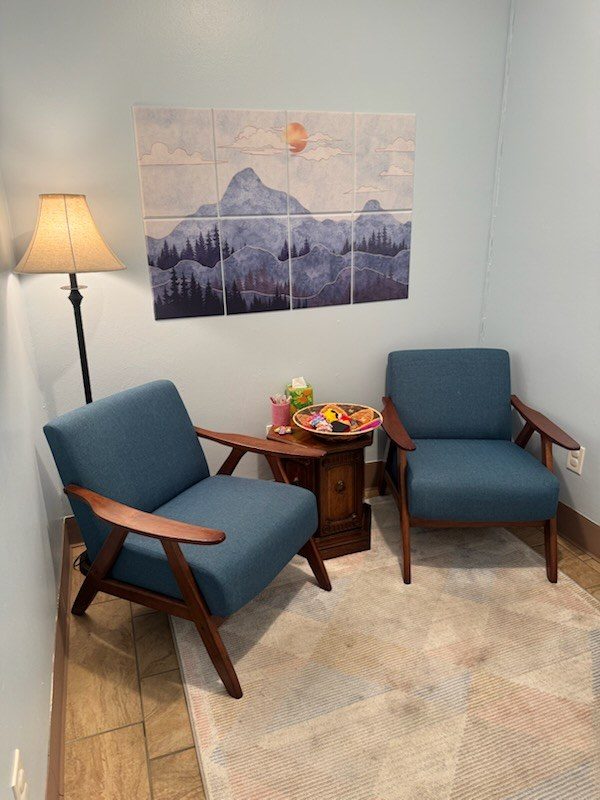
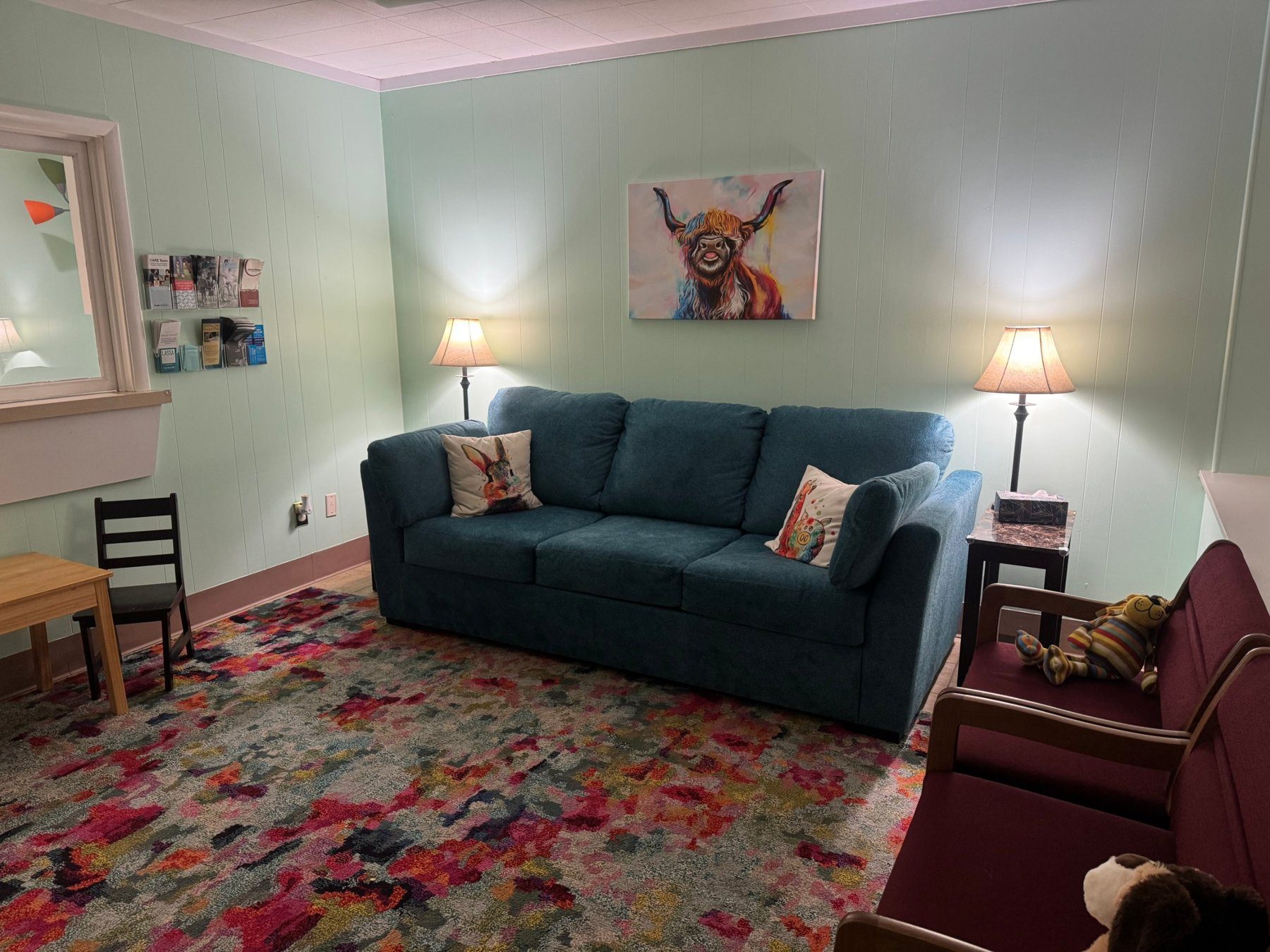
Our therapy lobby. A calm, comfortable place for families to wait before a session.
Who it's for
Our licensed clinician provides free individual therapy to children and their non-offending family members. Therapy is offered case by case, after a report of abuse or at the request of CPS or law enforcement.
How we work
Our clinician works closely with each family to build an individualized treatment plan for every child, choosing the approach that fits that child best.
What it costs
Nothing. Like every service at the center, therapy is free for the children and families we serve.
Our approaches
TF-CBT
Trauma-Focused Cognitive Behavioral Therapy
An evidence-based treatment for children who have experienced trauma. It helps children and their caregivers understand trauma, learn coping skills, and work through difficult memories together.
PLAY
Play therapy
Play is how children naturally express themselves. Play therapy helps children work through big feelings in a way that feels safe and natural to them.
EMDR
Eye Movement Desensitization and Reprocessing
A therapy that helps the brain process traumatic memories so they feel less overwhelming and lose some of their power.
After trauma, it's not uncommon for a child to experience:
While these can be normal reactions to abuse, it's important for children to learn healthy ways to cope. Even if a child doesn't show any of these signs, it can be very helpful to talk with a licensed, trained professional about what happened. It helps a child understand their feelings and feel safe expressing them.
With the support of non-offending family members and effective treatment, a child can recover without long-term negative effects.
Meet our clinician
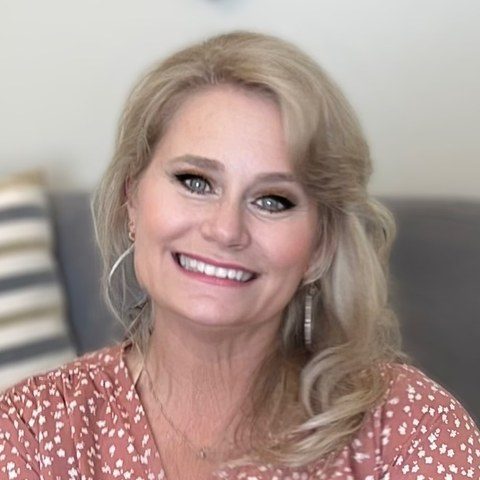
Judylynn Huggs, LPC
Judylynn holds a Master of Education in Counseling Psychology from Tarleton State University and is a Licensed Professional Counselor. She provides TF-CBT, play therapy, and EMDR. Before joining the center, she served as a crisis and intervention counselor for several school districts.
Read her full bio →Have questions about therapy?
Talk with your victim services advocate, or call our office at (940) 468-3895.