Forensic interviews
A safe space to tell their story.
Forensic interviews give children a safe space to tell their story to specially trained experts, so a child only has to tell it once.
Why it matters
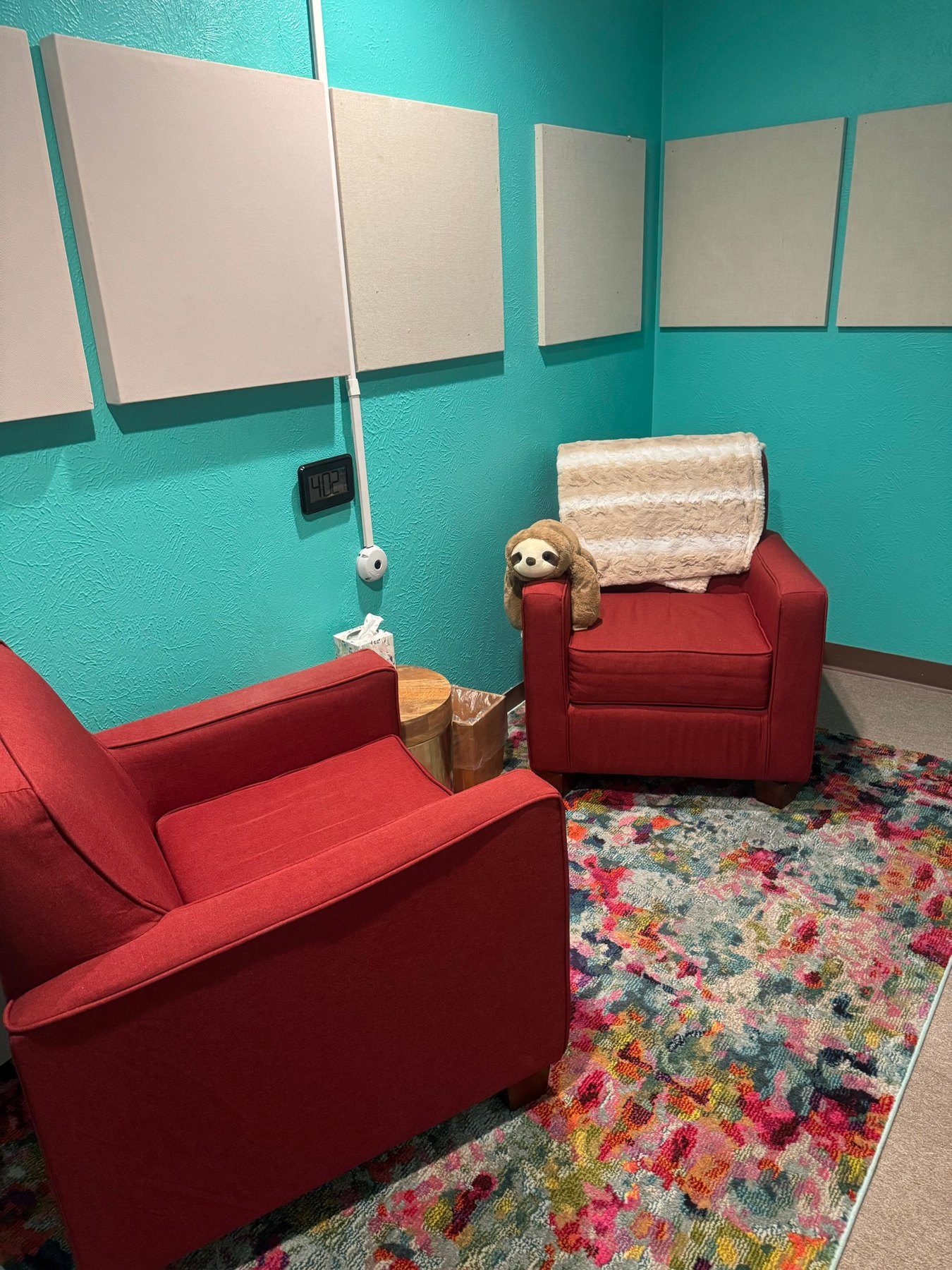
When child abuse is suspected, it's crucial to talk with the child about their experience in a way that fits their age and development. We work to help every child feel as comfortable as possible, while helping the multidisciplinary team understand what happened.
What it is
A forensic interview is a fact-finding conversation with a specially trained forensic interviewer. It gives a child the chance to talk about the reason for their visit. Questions are open-ended and non-leading, at a pace that's comfortable for the child.
How it helps
Fewer interviews
Because investigators watch from another room, the child doesn't have to repeat their story to each agency.
In their own language
Interviews are held in the child's primary language whenever possible, or with an interpreter.
Everyone in one place
Caregivers meet the professionals involved in their child's case and can ask any questions they have.
Steps in the interview process
Most of the visit happens in our family room, a quiet, comfortable space made for kids and the people who love them.
More for families →-
When you arrive
A member of our team greets your family, shows you around, and answers any questions you have.
-
During the interview
A specially trained forensic interviewer talks with your child, letting your child set the pace. You'll wait in the family room, where a victim services advocate will check in with you and answer any questions you have.
-
After the interview
Children 11 and older spend a few minutes with our victim services advocate for a short check-in; younger children come back to the family room. You may be asked to speak with the investigators. Before you leave, we'll talk with you about next steps.
-
Ongoing follow-up
Our team keeps you informed about your child's case, and your advocate stays available whenever you need help, including therapy, medical care, and court support.
Meet our forensic interviewer
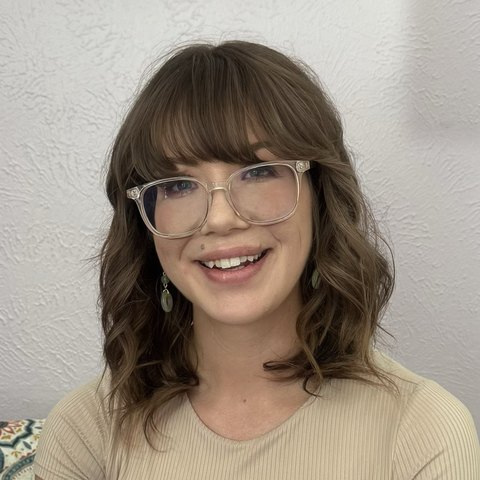
Jennifer Pruitt, JD
Jennifer holds a Bachelor of Science in Criminal Justice from Tarleton State University and a Juris Doctor from the University of North Texas at Dallas College of Law. She has completed Forensic Interviewer training through CACTX and continues to sharpen her skills alongside her team.
Read her full bio →Is your child scheduled for an interview?
Here's what to expect, where to park, and what to bring.