
For families
Your child has an appointment.
Here's what to expect.
Coming to the center can feel scary — for you and for your child. You won't be doing this alone. We'll walk with you through every step, and every service we provide is free.

Finding us
204 SE 3rd Ave
Mineral Wells, TX 76067
Park in front of the building. Facing the building, come to the door on your left marked Family Entrance. Our building stays locked for everyone's safety, so someone from our team will meet you at the door.
Running late or have a question? Call us at (940) 468-3895.
Get directionsYour visit
Step by step
Most of the visit happens in our family room — a quiet, comfortable space made for kids and the people who love them.
-
When you arrive
A member of our team greets your family, shows you around, and answers any questions you have.
-
While your child talks with us
A specially trained forensic interviewer talks with your child, letting your child set the pace, in the language your child is most comfortable speaking. You'll wait in the family room, where a victim services advocate will check in with you and answer any questions you have.
-
Afterward
Children 11 and older spend a few minutes with our victim services advocate for a short check-in on how they're feeling; younger children come back to the family room. You may be asked to speak with the investigators in our conference room. Before you leave, we'll talk with you about next steps and the services available to your family.
-
In the weeks ahead
Our team keeps you informed about your child's case, and your advocate stays available whenever you need help — including therapy, medical care, and court support.
Talking with your child before the visit
- Do not ask about what happened or practice what they'll say. It's important that their words are their own.
- Tell them they'll be talking with someone whose job is to talk with kids.
- Let them know they're not in trouble.
What to bring
Just yourself and your child (or children).
You don't need to bring anything else. We have snacks and drinks available at the center.
Take a look inside
Seeing the space ahead of time can help your child feel more at ease.
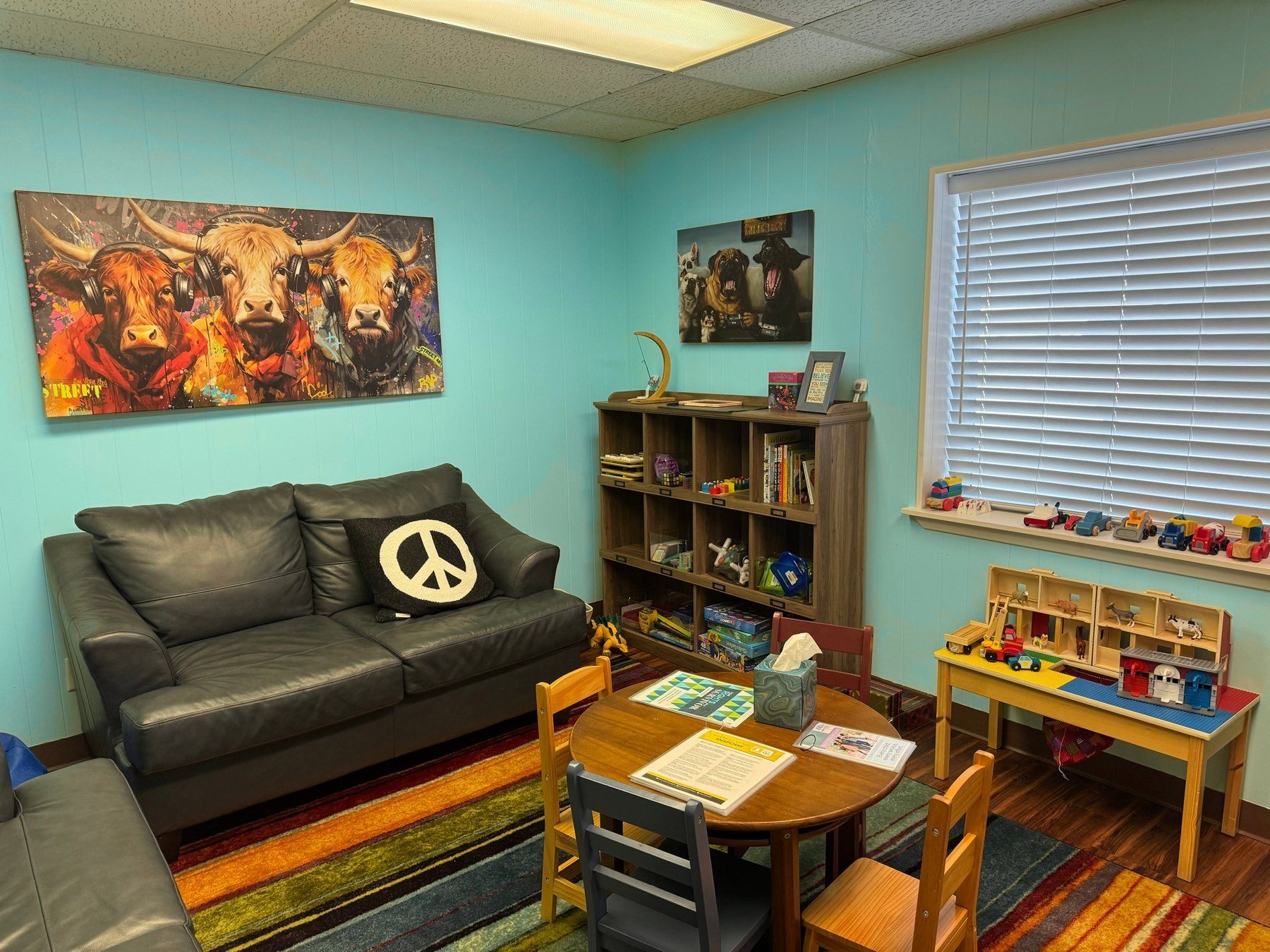 The family room
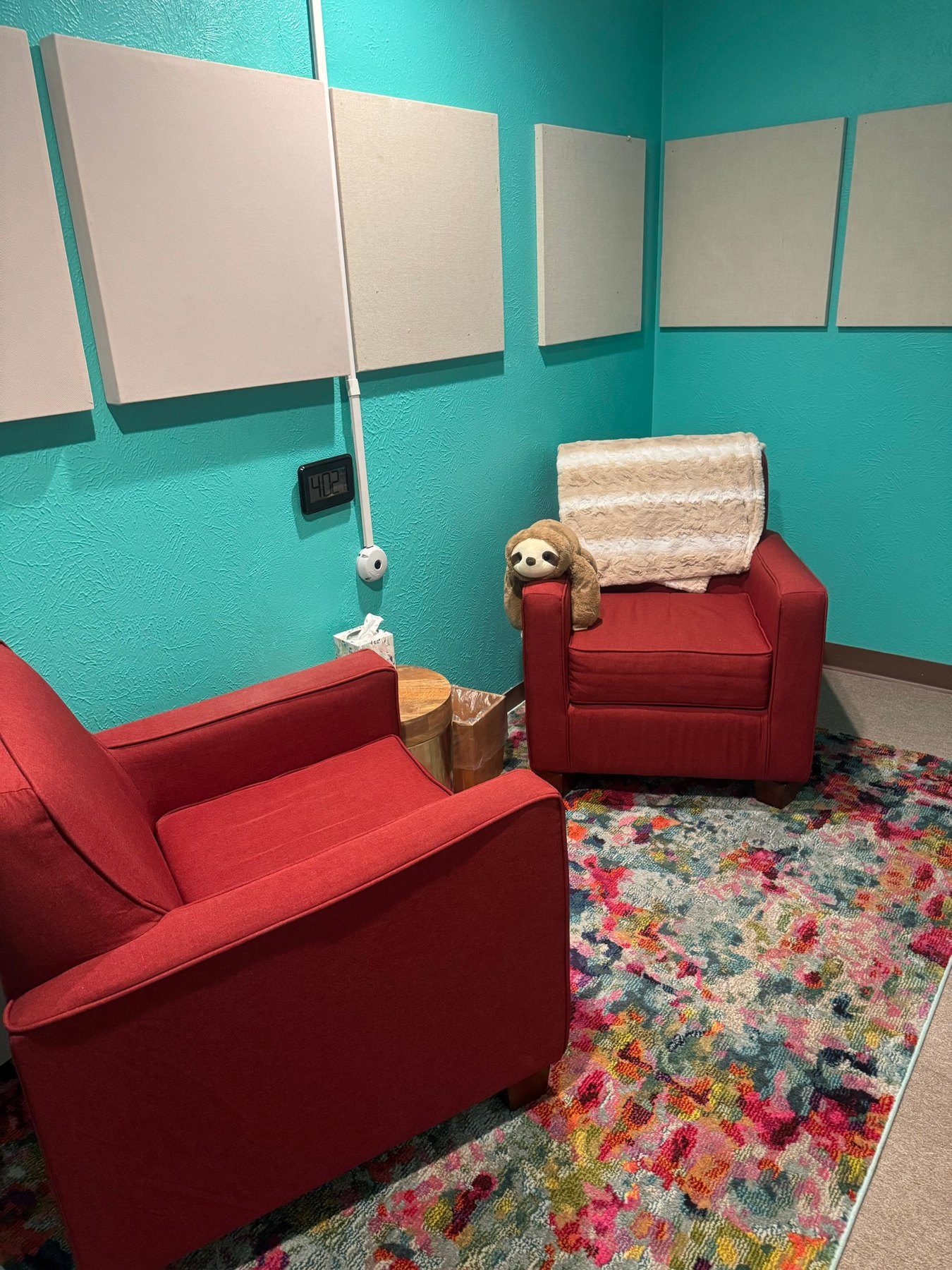 Where your child talks with us
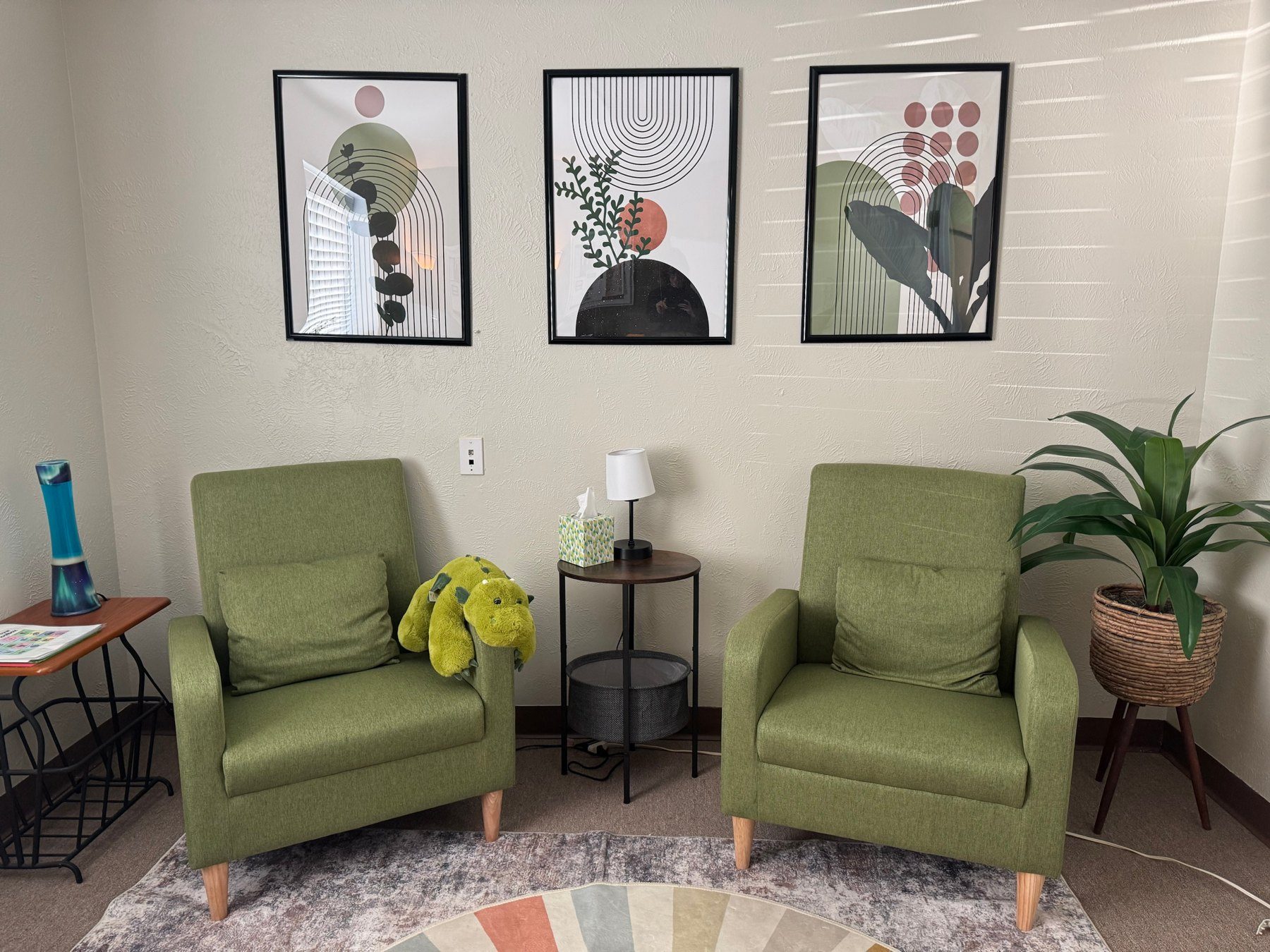 Our victim services advocate's office
Common questions
Does it cost anything?
No. Every service we provide is free to children and their families.
Can I be in the room during the interview?
Caregivers wait in the family room while the interview happens. Children often share more freely without a parent in the room, and it helps keep the interview neutral. Your advocate will check in with you periodically and answer any questions you may have.
How long will we be there?
There's no set length. Every child and every visit is different, and we never rush your child.
What if my child doesn't want to talk?
That's okay. Our interviewer goes at your child's pace and never forces them to talk.
Can I bring someone with me?
Yes. You're welcome to bring a supportive family member or friend, as long as they aren't involved in the concerns being looked into. Bring every child who's scheduled for an interview, since sometimes that's more than one. If you can, arrange for any other children to stay with someone else. Babies are always welcome to come along.
What happens after the interview?
The team meets with you to talk about next steps. Your family may also be offered free therapy, a medical exam through Cook Children's CARE Team, and ongoing support from your advocate.